
Postpartum Movement: What You Can (and Should) Do in the First 6 Weeks
The early weeks after having a baby can feel like a blur — your body is healing, your sleep is unpredictable, and your focus is on caring for your little one. Amid all that, it’s easy to forget that you deserve care too. Gentle movement in those first six weeks can help you reconnect with your body, improve circulation, and support healing — both physically and emotionally.
As a pelvic floor physical therapist, one of the most common questions I get from new moms is:
“When can I start exercising again?”
We’ve all heard of the “6-week rule”—that magical milestone when you see your provider for your postpartum check-up and (hopefully) get “cleared” for sex and exercise. But here’s the thing…
There’s Nothing Magical About 6 Weeks
That 6-week visit is often based on tradition, not on functional readiness. Most women are cleared for activity without any real assessment of their core, pelvic floor, or body mechanics—all areas that have undergone massive change during pregnancy and birth. While the 6-week mark is a great time to check in with your provider, it doesn’t automatically mean your body is ready to jump back into your pre-pregnancy workouts or resume sex comfortably.
You Don’t Have to Wait to Move
The good news? You can safely begin gentle movement well before six weeks postpartum. In fact, early, intentional movement can help you reconnect with your body, improve circulation, and promote healing.
Start small—think breathwork, gentle mobility, and awareness. The goal is to re-orient your body to your diaphragm, pelvic floor, and deep core—the system that supports every movement you make.
A few things you can begin right away (as long as you’re feeling up to it):
- Diaphragmatic (360°) breathing: Expand your breath into your ribs, sides, and back, not just your belly. This helps your diaphragm and pelvic floor work together again.
- Pelvic tilts: Lying on your back, gently tilt your pelvis to engage your deep core and mobilize your low back. Watch the demo →
- Kegels (with purpose): Practice gentle pelvic floor contractions, especially when you cough, sneeze, or lift your baby—these moments create natural stress on your healing tissues.
- Open books: A gentle spine rotation that opens your chest and shoulders—perfect for counteracting all that newborn feeding posture! Watch the demo →
- Bridges: Lightly activate your glutes and core while maintaining good breathing patterns. Watch the demo →
- All 4’s Core Brace: A gentle way to wake up your deep core muscles while keeping pressure off your abdomen. Watch the demo →
- Walking: Short, slow walks can be wonderful to promote circulation, mood, and gentle movement. Just monitor how your body responds—if you notice a drastic increase in lochia (bleeding) or any painful pulling at a C-section incision, scale back and give yourself more rest time.
These movements aren’t about “getting your body back”—they’re about helping your body find itself again.
Let’s Talk About Sex (and Why It Might Not Feel Great Yet)
Even if you’re “cleared” for sex at six weeks, that doesn’t mean it’ll feel comfortable—or that you should be ready. Between exhaustion, hormonal changes, and healing tissues, discomfort is common.
If you’re breastfeeding, estrogen levels are lower, which can lead to dryness and decreased blood flow. Add in fatigue and possibly scar tissue (from tearing or stitches), and it’s no wonder sex might not feel the same.
A few key tips:
- Lubricant is your new best friend. Choose a high-quality, water-based or silicone-based option.
- You don’t need to “tough it out.” Pain is a sign your tissues or pelvic floor might need support.
- See a pelvic floor physical therapist. We can help assess your muscles, tissue mobility, and healing—and create a personalized plan to restore comfort and confidence.
The Postpartum Support You Deserve
One of the biggest gaps in women’s health is the postpartum period. During pregnancy, you likely had frequent check-ins, tests, and visits. Then suddenly—after one of the most physically and emotionally demanding experiences of your life—you might only get a single appointment around six weeks postpartum.
You deserve more.
Find experts to support you in this phase of life:
- Pelvic floor physical therapists (like us!) for healing, movement, and pain relief
- Lactation specialists for breastfeeding support
- Mental health counselors for emotional wellness and transition to motherhood
- Massage therapists to relieve tension and restore balance
- Mom groups and community programs for connection and encouragement
I’m often told that pelvic floor PT is so much more than just the pelvic floor—it’s support from someone who’s been there, guidance into safe movement and exercise, and pain relief through dry needling or hands-on techniques to ease the aches and pains that come with nursing, holding, and caring for your baby.
If you or someone you know could benefit from a pelvic floor PT visit, check out our Pelvic Floor Therapy page and let’s schedule that first appointment of self-care, Mama. You deserve to feel strong, supported, and at home in your body again.
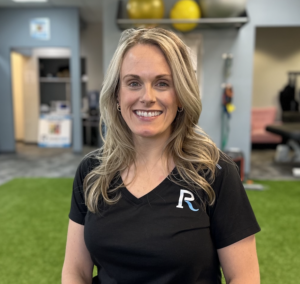
Written by Dr. Katie Sasser – PT, DPT, M.Ed.| Physio Room
Connect with Physio Room:
Find Us On Our Socials
Website
Instagram
Facebook