Bar Rotating During Squats? Here’s What It Really Means
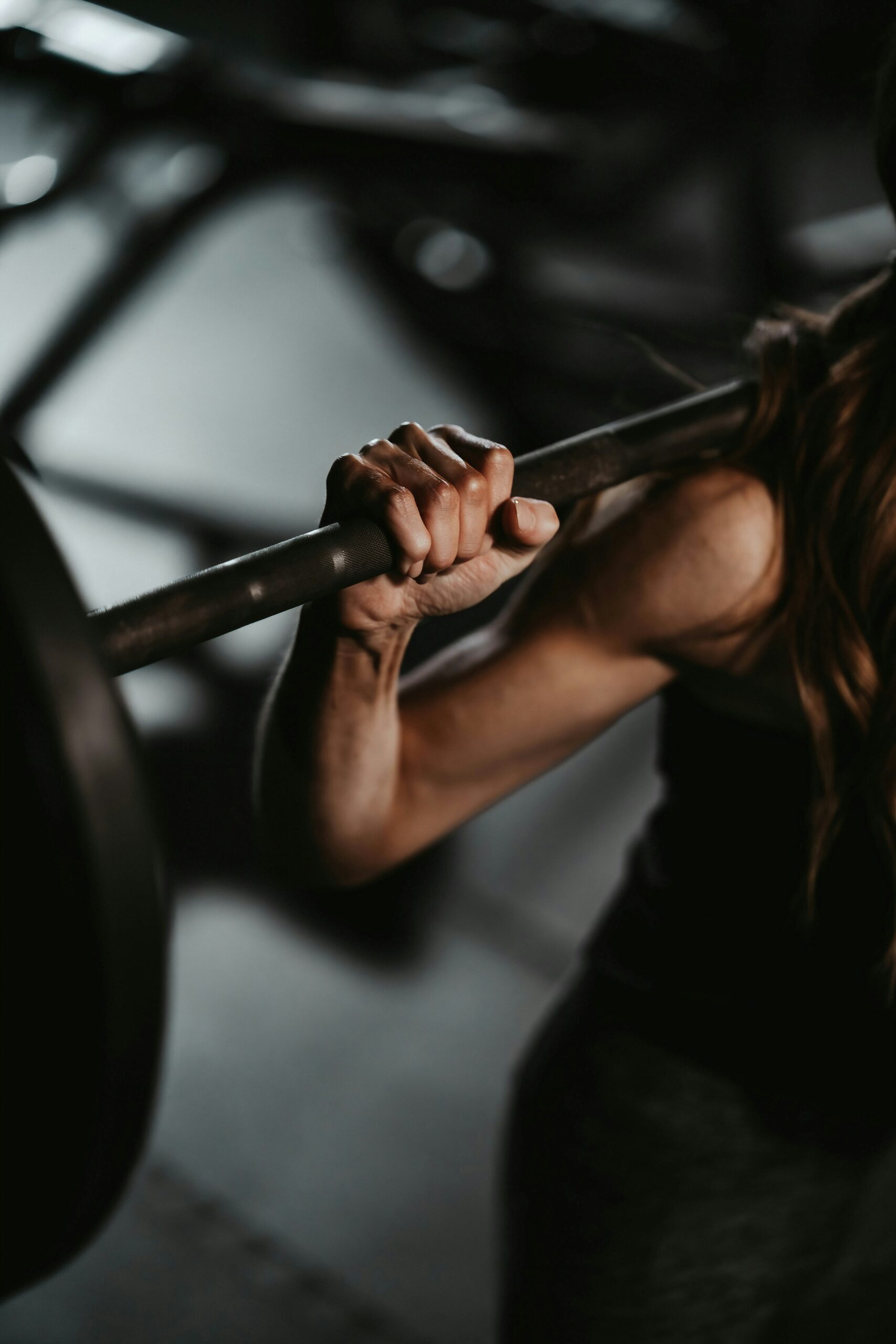
Bar rotation during a back squat is one of the most common technical faults seen in lifters—especially powerlifters and field athletes. That subtle (or not-so-subtle) twist under load isn’t just a visual flaw; it’s a signal that your setup, mobility, and strength imbalances are driving a side-dominant strategy.
Below is a breakdown of the most common causes and what to look for.
1. Start With Your Setup: Symmetry Is Everything
Many lifters rush under the bar and immediately lock in uneven mechanics without realizing it. Common culprits include:
-
Uneven hand placement
-
Torso rotation to avoid shoulder discomfort
-
One foot slightly forward
-
Shifting weight to the dominant side before the bar even leaves the rack
Before you unrack:
-
Create even tension through both hands
-
Position elbows slightly down and in
-
Ensure foot pressure is balanced through a strong tripod foot
Small asymmetries at setup become big asymmetries under load.
2. Assess Thoracic and Shoulder Mobility
If you lack shoulder external rotation or thoracic extension, your upper body can’t stack evenly under the bar. This often leads to:
-
One shoulder hiking up
-
The bar drifting toward your more mobile side
-
Extra tension on the dominant oblique
When the upper back feels stiff or restricted, your body instinctively shifts load into the side that feels more “stable.”
Spoiler: that stability is an illusion—and it creates rotation.
3. Don’t Ignore Hip Mobility (Especially Internal Rotation)
Limited hip internal rotation on one side is one of the most overlooked contributors to bar rotation. When you lack space in a hip, your body will reorganize to find it, usually by:
-
Drifting or corkscrewing out of the hole
-
Allowing one knee to cave in more than the other
-
Rotating the pelvis as you drive up
If your hips don’t move evenly, your squat won’t either.
4. Build Better Core Control
The core isn’t just about bracing—it’s about bracing symmetrically.
Uneven oblique strength or poor transverse abdominis activation can rotate your torso as you descend or drive out of the bottom.
Think:
A true 360° brace—not just pushing forward.
5. Use the Right Squat Variation for Your Body
Your bar position affects what your body must compensate for:
-
High-bar squat: Requires more thoracic extension
-
Low-bar squat: Requires more shoulder external rotation and upper-back mobility
Small adjustments can make a big difference:
-
Modify stance width
-
Adjust toe angle
-
Try tempo variations
-
Explore heel elevation or flat shoes depending on your mobility
Your goal: find the position where you can maintain tension and symmetry throughout the entire movement.
The Bottom Line
If your bar is rotating, your body is compensating.
Address your mobility. Refine your setup. Build symmetrical strength.
A squat should be a balanced expression of power—not a twisted negotiation under load.
Written by Dr. Ryan Satkowiak – PT, DPT, Cert. DN, XPS| Physio Room
Connect with Physio Room:
Find Us On Our Socials
Website
Instagram
Facebook