Do I Need an X-Ray? Clinical Guidelines for Knee and Ankle Injuries
As a sports performance physical therapist, I often get asked:
“How do I know if my knee or ankle is broken?”
“Do I need an X-ray?”
After an acute injury, it can be difficult to know whether you’re dealing with something that needs medical imaging or something that can be treated conservatively with physical therapy. Fortunately, there are clinical guidelines that help healthcare providers — and patients — make safer decisions about when an X-ray may be necessary.
Two of the most widely used guidelines are the Ottawa Knee Rules and the Ottawa Ankle Rules.
The Ottawa Knee Rules
The Ottawa Knee Rules are a set of criteria used after an acute knee injury with localized pain to help determine whether an X-ray is recommended.
An X-ray may be indicated if any of the following are present:
-
Age 55 or older
-
Isolated patellar (kneecap) tenderness
-
Fibular head tenderness (the bone on the outside just below the knee)
-
Inability to bend the knee to 90 degrees
-
Inability to bear weight, defined as taking fewer than four steps immediately after the injury or in a medical setting
If one or more of these signs are present, imaging may be recommended to rule out a fracture.
The Ottawa Ankle Rules
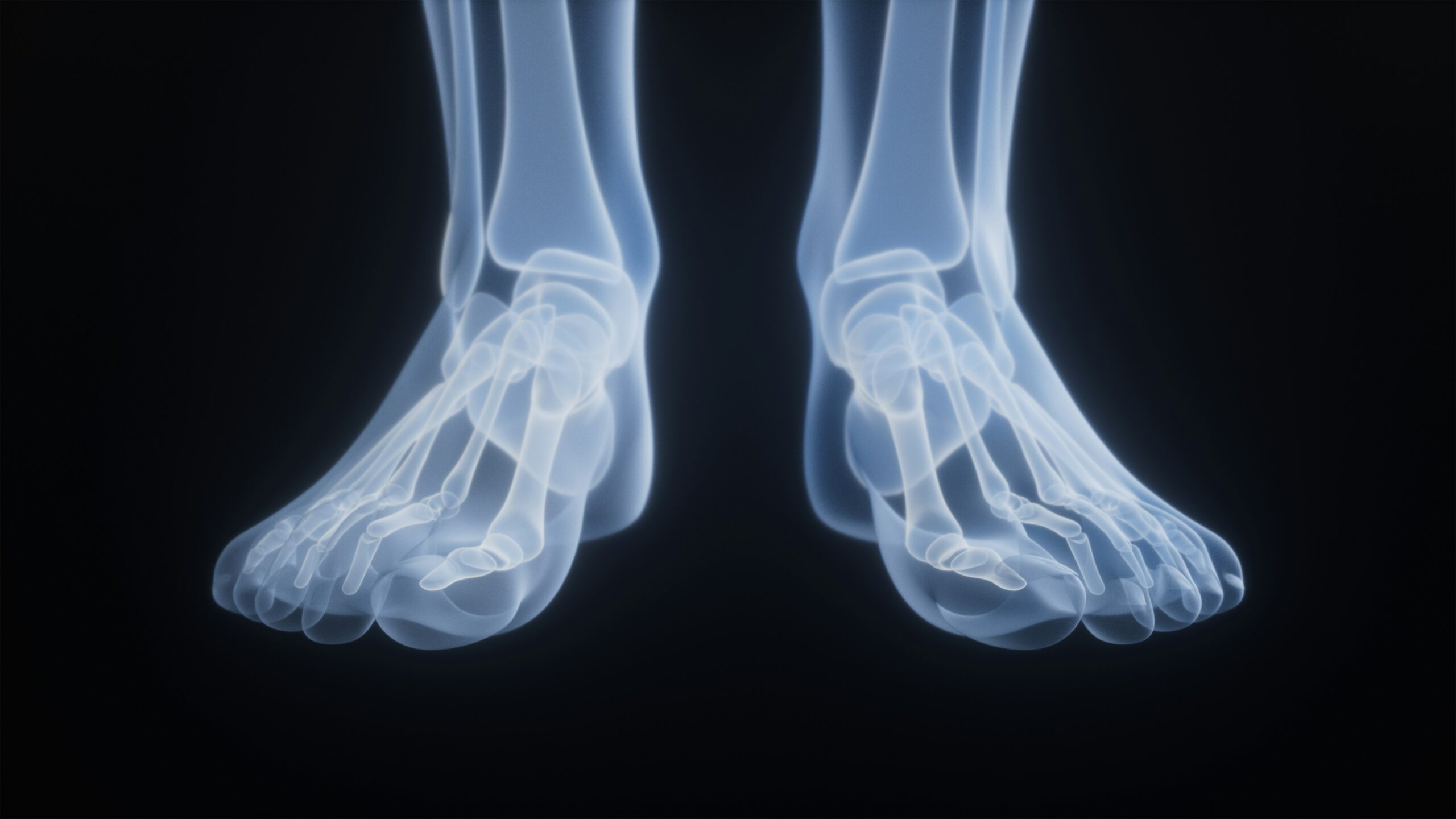
The Ottawa Ankle Rules help determine whether an ankle injury may involve a fracture.
An X-ray may be needed if there is:
-
Bony tenderness along the posterior edge or tip of the lateral malleolus (outer ankle bone)
-
Bony tenderness along the posterior edge or tip of the medial malleolus (inner ankle bone)
-
Inability to bear weight for four steps
The Ottawa Foot Rules
These guidelines also apply to potential foot fractures.
An X-ray may be recommended if there is:
-
Tenderness at the navicular bone (midfoot)
-
Tenderness at the base of the fifth metatarsal (outer edge of the foot near the little toe)
-
Inability to bear weight for four steps
When to Consider Getting an X-Ray
If you’ve recently been injured — for example, during a run, workout, or basketball game — and you notice sharp, localized bone tenderness or difficulty putting weight on the injured area, it may be worth getting evaluated for a possible fracture.
These rules don’t replace a professional evaluation, but they can help guide decision-making and reduce unnecessary imaging while still catching injuries that need medical attention.
We’re Here to Help
If you’re unsure whether you need an X-ray after a knee, ankle, or foot injury, the Physio Room team can help guide you through that decision. We can assess your injury, help you understand what might be going on, and determine whether imaging is appropriate — or whether the injury may involve muscles, ligaments, or other soft tissues that physical therapy can address.
Getting clarity early can help you feel confident about your next steps and get back to moving sooner.

Written by Dr. Dr. Chris Hildenbrand – PT, DPT| Physio Room
Connect with Physio Room:
Find Us On Our Socials
Website
Instagram
Facebook