


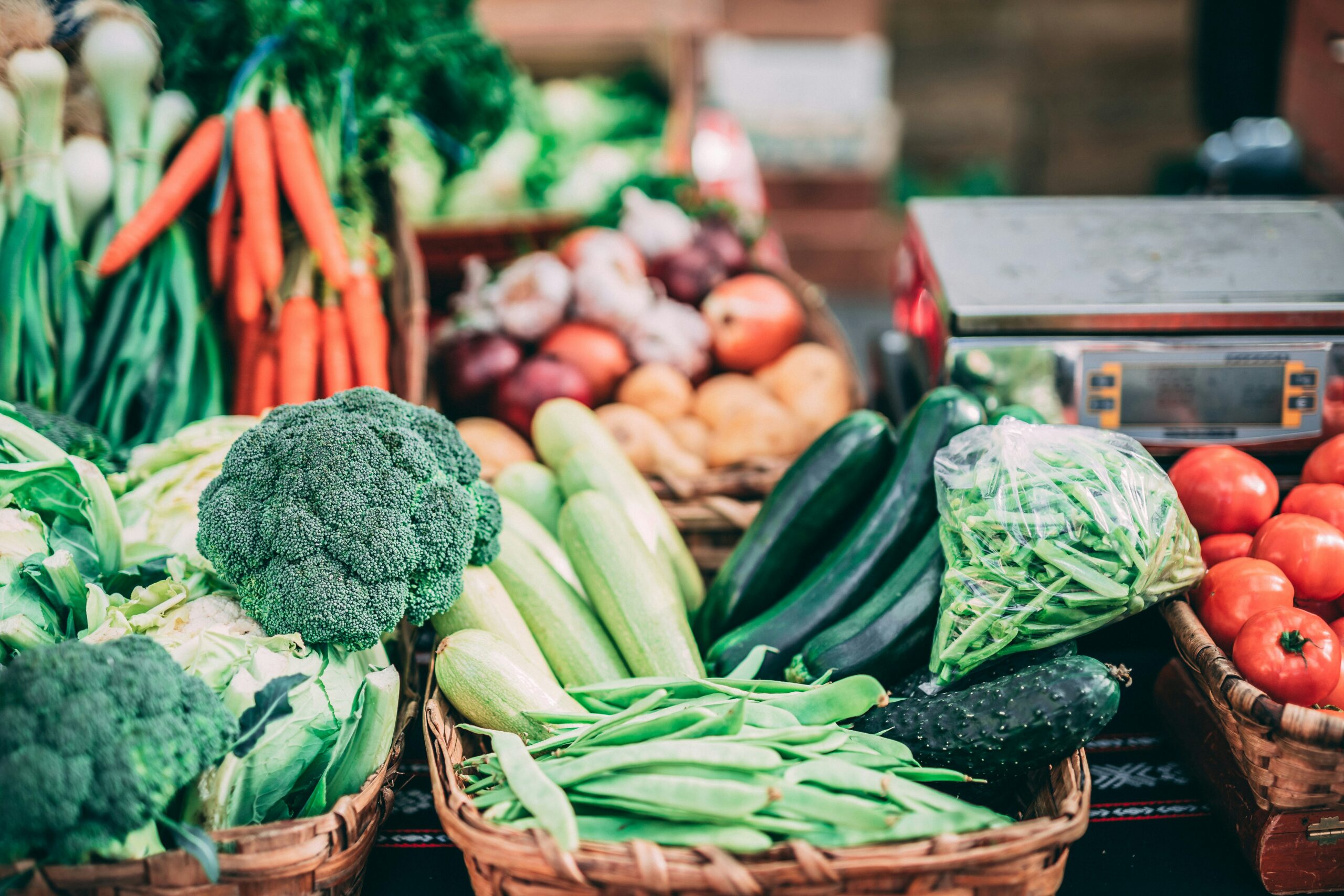
Nutrition in the Wintertime
Winter in Colorado brings more than just snow and cold temperatures. Early mornings, dry air, shorter days, and lower overall energy can quietly take a toll on recovery, immune health, and general well-being. During this season, nutrition plays a key role in helping the body stay resilient, heal efficiently, and maintain steady energy levels.
Rather than focusing on restriction or rigid rules, winter nutrition should emphasize support—support for tissue repair, inflammation management, and sustained energy when the environment is working against us.
Why Winter Nutrition Matters
Cold temperatures and dry air can increase muscle stiffness, slow recovery, and raise hydration needs. At the same time, many people experience changes in appetite, motivation, and activity levels. Adjusting nutrition to match these seasonal demands can help:
-
Improve recovery from training and daily activity
-
Support immune function
-
Reduce inflammation and joint stiffness
-
Maintain consistent energy throughout the day
Key Nutrition Priorities in Winter
Adequate Protein
Protein is essential for muscle and tissue repair, especially when training continues through colder months. Including protein consistently throughout the day supports recovery and helps stabilize energy levels.
Healthy Fats
Healthy fats play an important role in managing inflammation and supporting joint and overall health. Prioritizing quality fat sources can be especially helpful when winter training feels harder on the body.
Warm, Nourishing Meals
Warm foods are often easier to digest and more satisfying in cold weather. Soups, stews, roasted vegetables, and slow-cooked meals can support digestion while providing comfort and nourishment.
Helpful Late-Winter Nutrition Habits
-
Include a source of protein at every meal
-
Choose cooked vegetables more often than raw to support digestion
-
Stay hydrated—dry air increases fluid needs
If ice-cold water sounds unappealing in the winter, try alternatives like:
-
Herbal tea
-
Warm water with honey and lemon
-
Turmeric golden milk
-
Bone broth
These options still contribute to hydration while providing warmth and added nutrients.
Seasonal Produce to Incorporate
Winter produce offers powerful nutrients that support energy, digestion, and recovery. Consider adding:
-
Sweet potatoes
-
Winter squash
-
Brussels sprouts
-
Kale
-
Carrots
-
Beets
-
Citrus fruits (oranges, grapefruit)
-
Apples
These foods are rich in fiber, antioxidants, and micronutrients that help the body handle seasonal stressors.

Written by Dr. Jessica Hockensmith – PT, DPT, Cert. DN, LMT, WAG| Physio Room
Connect with Physio Room:
Find Us On Our Socials
Website
Instagram
Facebook