What Is the Most Effective Form of Cross-Training for Runners?
The concept of cross-training is very prevalent in the sport of running. Working with runners in both performance and injury/rehab settings, I’m often asked:
“What kind of cross-training should I be doing?”
The answer really comes down to why a runner is cross-training in the first place.
Are you:
-
Trying to gain additional fitness without the impact of running?
-
Maintaining fitness because you can’t run right now?
-
Cross-training to prevent injury and build stronger, more resilient bone?
In my experience, these are the three primary reasons runners (or coaches) incorporate cross-training—and each one requires a different approach.
Cross-Training to Improve Running Fitness
When runners think of cross-training for fitness, they often gravitate toward:
-
Cycling
-
Swimming
-
Rowing
-
Elliptical
-
SkiErg
While none of these options are inherently bad (and some are quite useful, as we’ll discuss later), I don’t believe they’re the most effective way runners can spend their time to improve performance.
The Most Overlooked Tool: Strength Training
One of the most underutilized aspects of a runner’s training program is consistent strength training.
Historically, runners want to run—not lift heavy weights. Many will perform light band work or basic dumbbell exercises, but very few incorporate meaningful resistance training into their routine.
Running is a high-impact, high-force sport. With every step, the body absorbs significant loads. To truly gain the benefits of strength training, runners should be lifting at 70% or more of their one-repetition max for most compound movements.
While research on other forms of cross-training shows mixed results, studies on strength training for runners are overwhelmingly positive—and there are many of them.
Proven Benefits of Strength Training for Runners
-
Improved muscular endurance
-
Increased power and explosiveness
-
Improved running speed
-
Improved running economy (efficiency)
Perhaps most importantly, consistent heavy strength training significantly reduces injury risk. And the number one requirement for a great race day? Making it to the starting line healthy.
My Favorite Strength Exercises for Runners
-
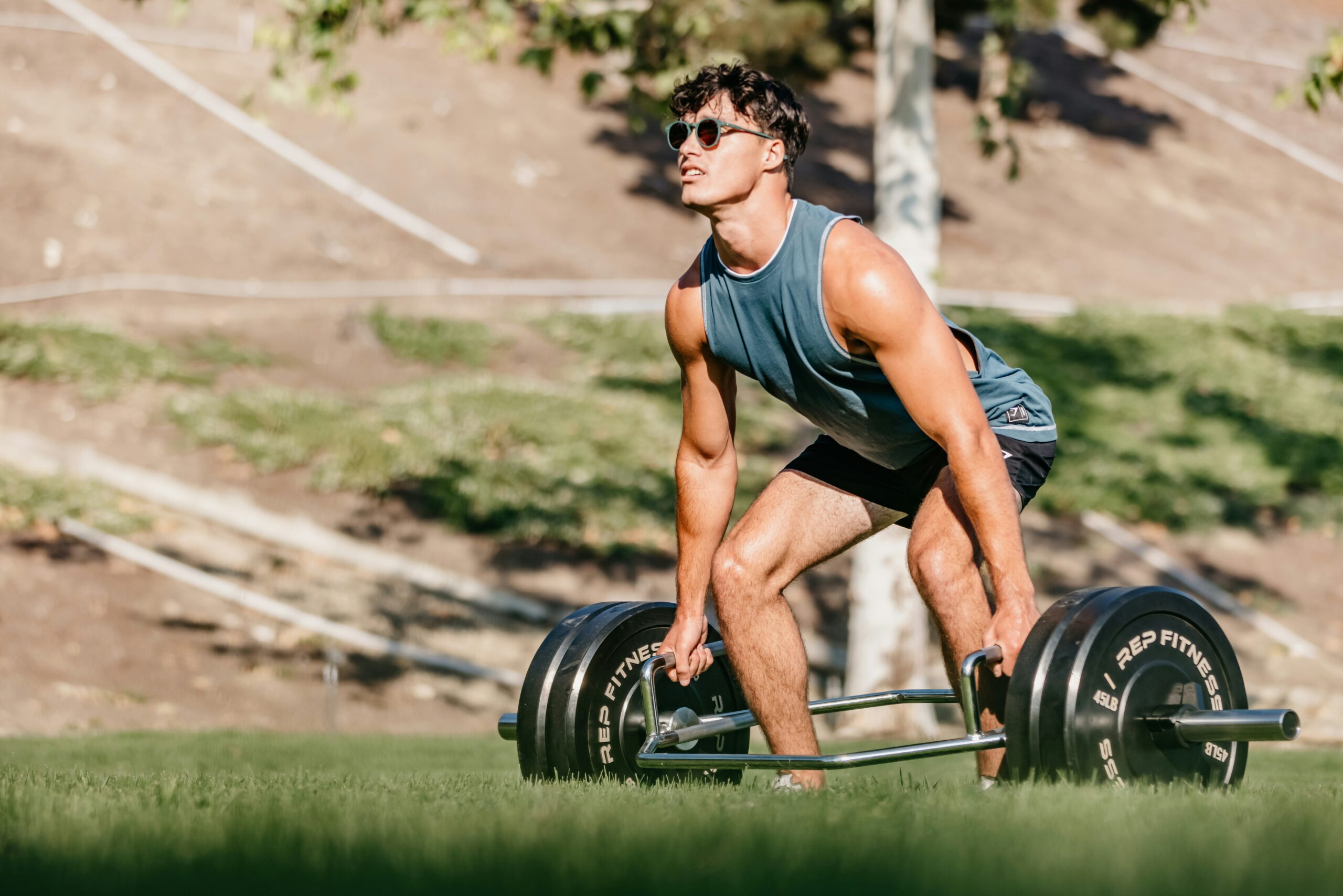
Hex Bar Deadlift
-
Box Squat
-
Rear-Foot Elevated Split Squat
-
Single-Leg Calf Raises
-
Heavy Carries
Cross-Training When You Can’t Run
With all this talk about cross-training, it’s important to remember one key principle:
The most effective way to get better at running is running.
The majority of your training time should be spent in the sport you’re competing in. But what happens when you can’t run due to injury?
The Best Alternative: Cycling
When maintaining cardiovascular fitness during an injury, the goal is to choose an activity that most closely resembles running.
My top choice is cycling.
Cycling is:
-
Unilateral
-
Cyclical
-
Low-impact
-
Highly transferable to running mechanics
For trail runners especially, I’ve seen strong carryover from cycling to improved strength and endurance on steep climbs—as long as biking is safe for the current injury.
What the Research Says
A widely referenced 2009 study suggested minimal VO₂ max transfer from cycling to running, which caused many runners (myself included) to question its value.
Fortunately, research didn’t stop there.
More recent studies have demonstrated meaningful fitness carryover from cycling to running. While running and strength training will always provide the greatest performance benefits, cycling is an excellent option when running isn’t possible.
Cross-Training for Injury Prevention & Building Strong Bone
This category is especially important for adolescent runners.
Humans typically reach peak bone mass between the ages of 25–30, meaning everything before that window plays a crucial role in long-term bone health.
How Bone Gets Stronger
Bone adapts to the forces placed upon it. While running is great for cardiovascular fitness, it is extremely repetitive and unidirectional. Bone does not become optimally robust from running alone.
What does improve bone strength dramatically is multidirectional movement.
Multiple studies—and even side-by-side imaging—show significantly greater bone robustness in athletes who play multidirectional sports compared to runners. For example, the tibia of a soccer player versus a distance runner tells a compelling story.
Best Cross-Training Options for Bone Health
-
Soccer
-
Ultimate Frisbee
-
Basketball
These sports challenge the body in multiple planes and directions, providing the stimulus bone needs to adapt and strengthen.
Final Thoughts
When it comes to improving running performance, running will always be the top priority. However, when cross-training is indicated—and in my opinion, it always should be—choosing the right type of cross-training matters.
By aligning your cross-training strategy with your specific goal—whether it’s performance, injury recovery, or long-term resilience—you can train smarter, stay healthier, and ultimately become a better runner.

Written by Drew Short – PT, DPT, CMFA| Physio Room
Connect with Physio Room:
Find Us On Our Socials
Website
Instagram
Facebook