
Why No Two Squats Look the Same
No Such Thing as a “Perfect” Squat
As a performance-focused physical therapist, one of the most important principles athletes need to understand for optimizing performance and longevity is this: there is no single “perfect” squat form.
The squat is a fundamental human movement, but the way it looks from person to person can—and should—be very different.
Anatomy Shapes Your Squat
Why? Because anatomy doesn’t lie. Each athlete brings a unique structure that shapes how their squat will look.
Key factors include:
-
Hip socket depth
-
Femur length
-
Torso proportions
-
Ankle mobility
-
Pelvic shape
These are not “faults” to be corrected—they’re blueprints that guide us toward the most efficient squat for you.
Torso and Femur Length
-
Long femurs, short torso: Often lean forward more in the squat. Forcing an upright, Olympic-lifter style squat could feel awkward or even painful.
-
Shallow hip sockets + great ankle mobility: Might thrive in a narrow stance, upright squat, dropping easily into “ass to grass” depth.
Both are valid squats—just tailored to different bodies.
Stance Width
-
Wider hips or limited ankle dorsiflexion: A wider stance with toes turned slightly out often allows better depth, balance, and control.
-
Mobile ankles + shorter legs: A narrower stance may feel strongest and most stable.
Neither stance is “right” or “wrong.” The best stance aligns with your structure, comfort, and training goals.
The Takeaway
Stop chasing a cookie-cutter squat you saw online or that your training partner uses. Instead, refine a squat style that honors your anatomy.
The “perfect” squat isn’t about copying someone else—it’s about finding the movement pattern that keeps you strong, pain-free, and progressing toward your goals.
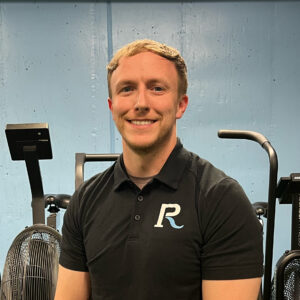
Written By Dr. Ryan Stakowiak – PT, DPT, XPS | Physio Room
Connect with Physio Room:
Find Us On Our Socials
Website
Instagram
Facebook