Knee Pain During Squats? Here’s Why (and How to Fix It)
Are you sick of dealing with knee pain every time you squat?
Maybe you’ve started avoiding squats altogether… or you keep the weight below a certain number, hoping you can “save your knees” for the long term?
Whether you’ve been told to steer clear of squats because of arthritis or you’re an athlete who needs to fix this to stay competitive — this one’s for you. Let’s break down what’s really going on and what immediate, actionable steps you can take today.
Where People Usually Feel Knee Pain
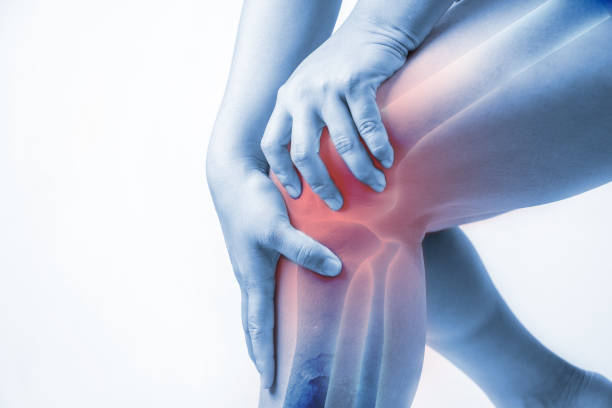
🔹 Front of the knee — around or below the kneecap
🔹 On top of the knee — at the bottom of the quads
🔹 Inside or deep within the joint — near the meniscus or tendon attachments
Short-term rest or reducing load can help calm irritated tissues — that’s valid. But avoiding load for too long stalls progress. Your knees need load to adapt and stay strong. When tissues are challenged, they remodel, strengthen, and become more resilient.
Avoiding load entirely tells your body it no longer needs to maintain that strength — making you more sensitive over time. The key? Finding the right dose of load and movement your knees can handle, then building from there.
The Problem Isn’t the Squat
Here’s the truth:
The squat isn’t bad. Your knees aren’t broken.
All bodies are designed to squat — it’s one of the most fundamental human movements. Pain usually isn’t about a “bad” squat; it’s about how your body manages force through the movement. That can be influenced by:
-
Your movement patterns
-
Load management and programming
-
Coordination and control throughout the lift
And no — this isn’t just about “fixing your form.” The goal is to match the movement to the athlete, not the other way around.
4 Key Factors to Look At
1️⃣ Body Positioning
Foot width, weight distribution, lat engagement, and hand placement all change how force travels.
→ Think “balanced tripod foot” and “stay connected to the floor” rather than “knees out” or “sit back.”
2️⃣ Bar Placement
A lower bar shifts your center of mass backward, engaging the hips more.
A high bar or front squat loads the quads, increasing knee stress but improving upright mechanics.
→ The “best” setup depends on your anatomy and goal.
3️⃣ Descent Pattern
Instead of “sit back,” think “sit down.”
Let the knees travel forward naturally — it keeps tension balanced front to back and helps maintain control.
4️⃣ Tension Control
Do you drop to the bottom of the squat?
Does your speed change throughout the rep?
Managing tempo and breathing helps muscles absorb force instead of dumping it into the joints.
Regional Influences to Consider
Hips:
Limited hip flexion or rotation can cause compensations down the chain. Sometimes mobility drills help, but often adjusting your bar position or stance makes the biggest difference.
Ankles:
The ankle isn’t just a hinge — it’s designed to pronate slightly during a squat. Without that motion (or with too much), stress shifts toward the knees.
Try a slight heel lift, maintain midfoot pressure, and keep your big toe grounded for balance.
How to Start Restoring Squat Tolerance
✅ Set up your stance and bar position for your anatomy — not what you saw online.
✅ Find a range of motion and load that’s challenging but tolerable. Mild discomfort is fine; sharp pain is not.
✅ Gradually build range, load, and tempo as symptoms improve.
Takeaway
Knee pain doesn’t mean you have to stop squatting — it just means something in the system needs attention.
By addressing your hips, ankles, and movement control, you can restore load tolerance, reduce pain, and rebuild confidence under the bar.
Strong knees don’t come from avoiding squats — they come from learning to move with your body, not against it.

Written By Dr. Jessie Czarnecki, DPT, OCS, CSCS, USAW-L1, CF-L2 | Physio Room
Connect with Physio Room:
Find Us On Our Socials
Website
Instagram
Facebook