Osgood, What?
Key Facts About This Common Knee Issue in Young Basketball Players
If your child—especially between the ages of 8 and 15—is complaining about pain in the front of their knee or you’ve noticed a bony bump just below their kneecap, they may be dealing with Osgood-Schlatter disease (often called “Osgood-Schlatter’s”).
This condition occurs when fibers of the patellar tendon begin pulling on the tibial tuberosity—the bony part of the shin bone just below the kneecap. It’s most common in active adolescents, particularly boys ages 10–15, but it can also affect girls ages 8–13.
Why It Happens
Osgood-Schlatter’s is often triggered by repetitive stress from activities that involve running, jumping, kneeling, or squatting. These movements can irritate the growth plate at the top of the shin bone, where the tendon attaches.
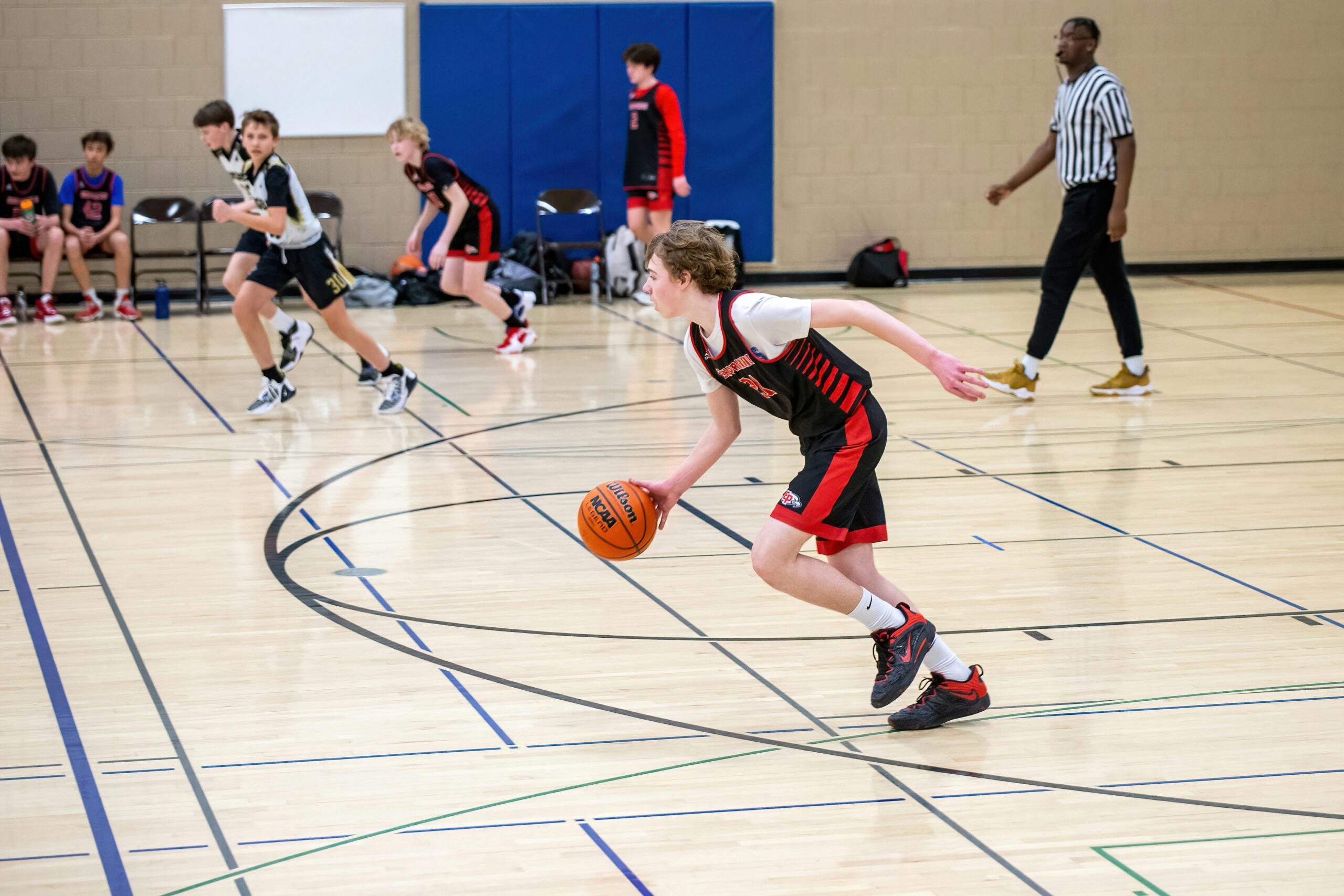
Because of this, the condition is especially common in basketball players, who perform frequent explosive jumps, sprints, and directional changes.
One of the major risk factors is abnormal leg alignment. Kids who are knock-kneed or flat-footed tend to have a sharper angle between their quadriceps muscle and patellar tendon, which increases tension on the growth plate and raises the risk for developing Osgood-Schlatter’s.
Common Symptoms
-
Pain and tenderness below the kneecap
-
Swelling or a visible bump on the upper shin
-
Discomfort during activity (especially jumping or running)
-
Relief with rest
How It’s Managed
In the past, complete immobilization was common—but today, we know that rest and activity modification are the best first steps. Limiting high-impact activities that cause pain gives the body time to heal and reduces inflammation.
The recovery timeline varies: some athletes improve in 2–3 weeks, while others need 2–3 months (or longer) for full relief. This time allows for revascularization and ossification—essential steps in the healing of the tibial growth plate before returning to unrestricted activity.
Treatment Strategies
A well-rounded rehab plan often includes:
-
Stretching tight muscles (especially the quadriceps and hip flexors)
-
Strengthening weak areas like the hips and ankles
-
Pain-free quadriceps exercises to restore strength
-
Balance and coordination training to improve movement control
If your athlete needs to keep playing during the season, a patellar strap can help. Worn just below the kneecap, it reduces pulling stress on the tibial tubercle and can significantly decrease pain during activity.
The Good News
Roughly 90% of young athletes with Osgood-Schlatter’s recover fully with non-surgical treatment. Once the growth plate closes, symptoms almost always resolve completely.
When to Seek Help
If your child’s knee pain is interfering with sports or daily life, it’s important to get it checked. At Physio Room, our team specializes in assessing movement mechanics, identifying underlying causes, and developing personalized treatment plans that help your child return to sport safely and pain-free.
Stretching, strengthening, and improving hip and ankle stability can make a big difference—but the best next step is a thorough evaluation to rule out other causes of knee pain and guide recovery.
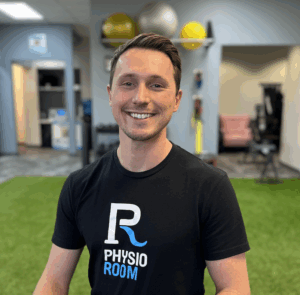
Written By Dr. Chris Hildenbrand, PT, DPT | Physio Room
Connect with Physio Room:
Find Us On Our Socials
Website
Instagram
Facebook